Childcare
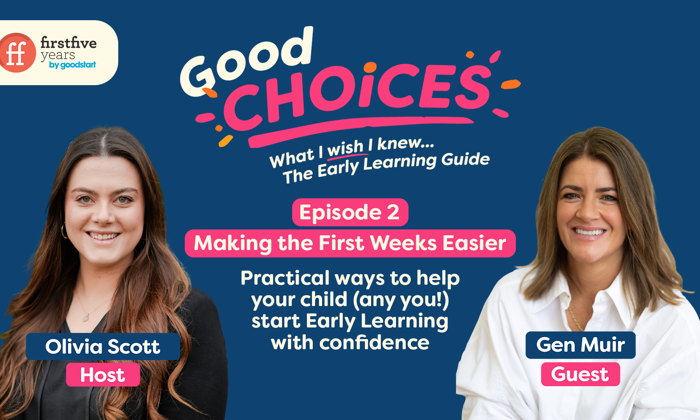
What I Wish I knew... The Early Learning Guide Podcast is now live! Click to listen.
Read more
Early Learning
Emotional Readiness & Transitioning into Early Learning
Transitioning into childcare can be a significant milestone for both children and parents. In this blog post, we will explore the emotional readiness required for successful transitions, the importance of high-quality early education settings, and practical tips for families navigating this change.
Read more

Child Development
Letting your child lead play: activities for children 0-6 years
Key points Child-led play is good because children learn most when they’re interested in play. All you need for child-led play is the activity or object that your child is interested in! Child-led play starts with noticing what your child is interested in and then going along with it.
Read more
Early Learning
Why early learning matters
Early learning lays the foundation for success. In the first five years of life, children’s brains are wired to learn quickly. This is when the foundations for learning, health and behaviour throughout life are laid. In fact, 90% of a child’s brain development happens by the age of five.
Read more
Early Learning
How to Make Childcare Drop-Off Easier: Advice for Parents and Educators
If you have ever wondered how to make childcare drop-off easier for your child - and for yourself - you are not alone.
Read more

Working while pregnant – especially during the early months – can be tricky if you’re going through morning sickness and feeling very tired. There are 3 key things you can do to manage these symptoms: Eat small, regular, healthy meals and snacks. Drink plenty of water. Rest as much as possible.
Working while pregnant and planning your return to work
You can talk to your midwife or doctor about more ways to manage your pregnancy symptoms. And it’s important to check with your doctor before taking any new medicine.
Read moreSkin Sensations